Transformation in Home Textiles with Artificial Intelligence: A Deep Dive from Design to Customer Experience

Artificial intelligence is creating a broad transformation in the home textile sector, from design processes to production optimization and personalized customer experiences. This in-depth analysis examines the opportunities AI offers to the industry and its future projections.
The home textile sector is on the verge of a revolution, adorned with innovative solutions offered by artificial intelligence (AI), fundamentally transforming traditional ways of doing business. This comprehensive transformation, extending from design studios to production lines and even to the ultimate customer experience, presents both challenges and unique opportunities for industry players.
AI-Powered Design: New Frontiers of Creativity
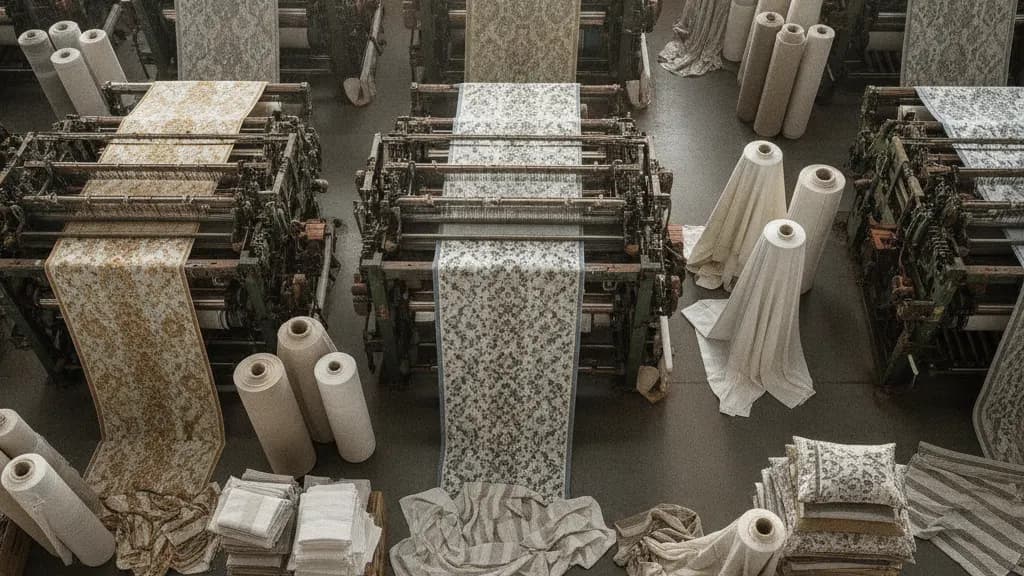
Artificial intelligence acts as a catalyst in home textile design processes. In contrast to the time-consuming nature of traditional design cycles, AI algorithms can generate thousands of different patterns, textures, and color combinations in seconds. This provides designers with a powerful tool that opens up unexplored aesthetic horizons, rather than restricting their creativity. For example, new motifs to be used in curtains and upholstery fabrics can be designed by AI, inspired by a country's cultural heritage or artistic movements of a specific era. Industry experts predict that this capability will increase the diversity and originality of collections showcased at global events like Atlanta Market.
Another critical role of AI is trend forecasting. By analyzing past sales data, social media trends, global design fairs (such as HGH India, Decor + Design), and even macroeconomic indicators, AI can predict the popular color palettes, material preferences, and pattern trends for the upcoming season with surprising accuracy. This enables home textile manufacturers to make much more precise production and inventory planning according to market demand, thereby gaining a competitive advantage by keeping pace with the speed of fashion cycles.
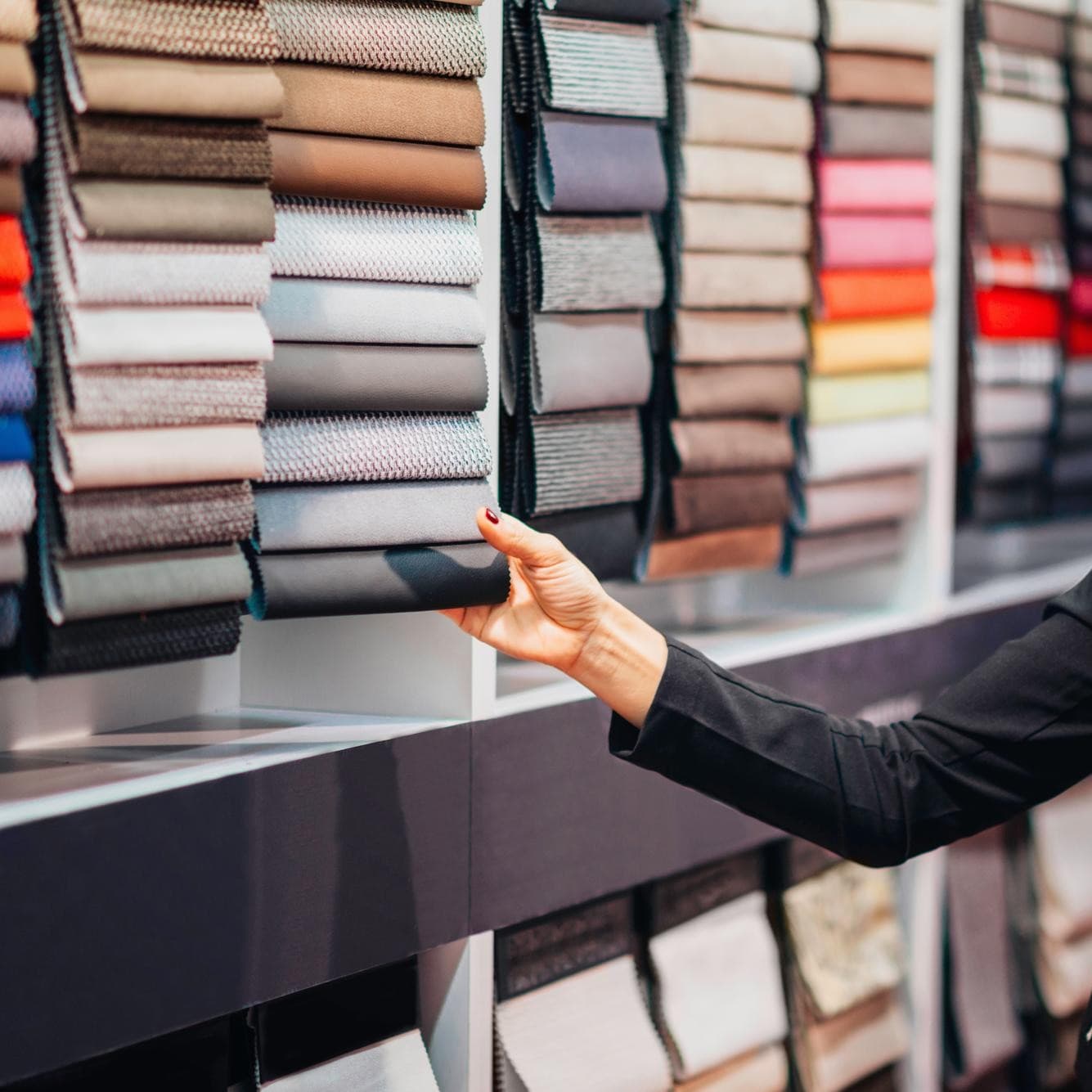
Smart Production and Operational Excellence
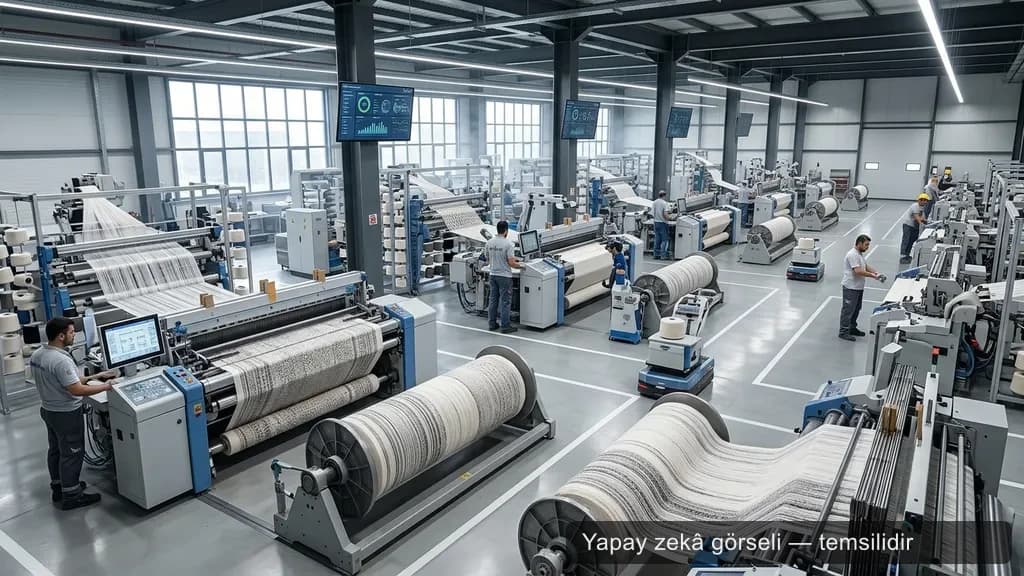
Artificial intelligence doesn't just stay at the design table; it also elevates efficiency and quality standards on the production floor. In home textile manufacturing, waste minimization is of great importance, especially in fabric weaving and cutting processes. AI-supported optimization algorithms significantly reduce material waste by ensuring fabrics are cut in the most efficient way. This both lowers costs and plays a key role in achieving sustainability goals.
Quality control is also taken to a new dimension with AI. High-resolution cameras and image processing algorithms can detect the smallest defects, thread breaks, or color differences on fabric much faster and more consistently than the human eye. This increases the rate of flawless products while reducing costs associated with returns and rework. Furthermore, AI systems that analyze data from sensors in machines enable "predictive maintenance" by anticipating potential malfunctions. This minimizes production downtime and ensures operational continuity.
Personalized Customer Experience and Sales Strategies
Today's consumers seek unique and personalized experiences when shopping for home textiles. Artificial intelligence offers powerful tools to meet this expectation. On online platforms, AI-powered recommendation systems analyze a customer's past purchases, viewed products, and even style surveys to provide personalized product suggestions, from bedroom sets to curtain options, carpets to decorative cushions. This helps customers find what they're looking for faster and increases sales conversion rates.
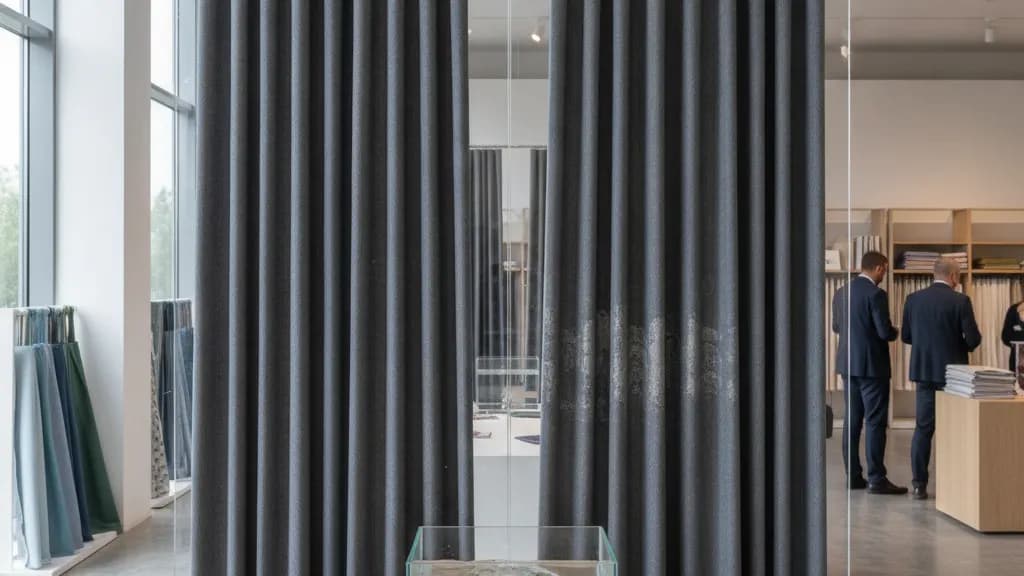
AI applications integrated with augmented reality (AR) technology allow customers to virtually experience how their chosen curtains, carpets, or upholstery fabrics would look in their own homes. A photo of the room is taken via smartphone, and AI realistically places the selected home textile product into this image. This enables customers to make purchasing decisions with confidence, while reducing return rates and strengthening brand loyalty. Additionally, in products like curtains that work integrated with smart home systems, AI makes automatic adjustments based on weather conditions or daylight, maximizing both comfort and energy efficiency.

Sustainability and AI: The Green Textile of the Future
Sustainability has become an indispensable part of the home textile sector, and artificial intelligence makes significant contributions in this area as well. AI helps reduce the environmental footprint by optimizing water and energy consumption in production processes. For example, in dyeing and finishing processes, AI determines the parameters that will yield the best results with the least amount of water and chemical use. This serves both to conserve natural resources and facilitates compliance with important certification standards like OEKO-TEX.
Furthermore, AI can support the implementation of standards like GRS (Global Recycled Standard) by increasing the traceability of recycled materials throughout the supply chain. By analyzing material waste and identifying its recycling potential, it accelerates the transition to a circular economy. In this way, the industry is taking significant steps towards achieving both economic and environmental sustainability goals.
In conclusion, artificial intelligence not only makes the home textile sector more efficient but also propels it towards a more creative, personalized, and sustainable future. This technological transformation clearly demonstrates that adaptation and innovation are strategic necessities for every player in the industry; the homes of the future will be shaped by the touch of AI.
Artificial intelligence is creating a broad transformation in the home textile sector, from design processes to production optimization and personalized customer experiences. This in-depth analysis examines the opportunities AI offers to the industry and its future projections.